
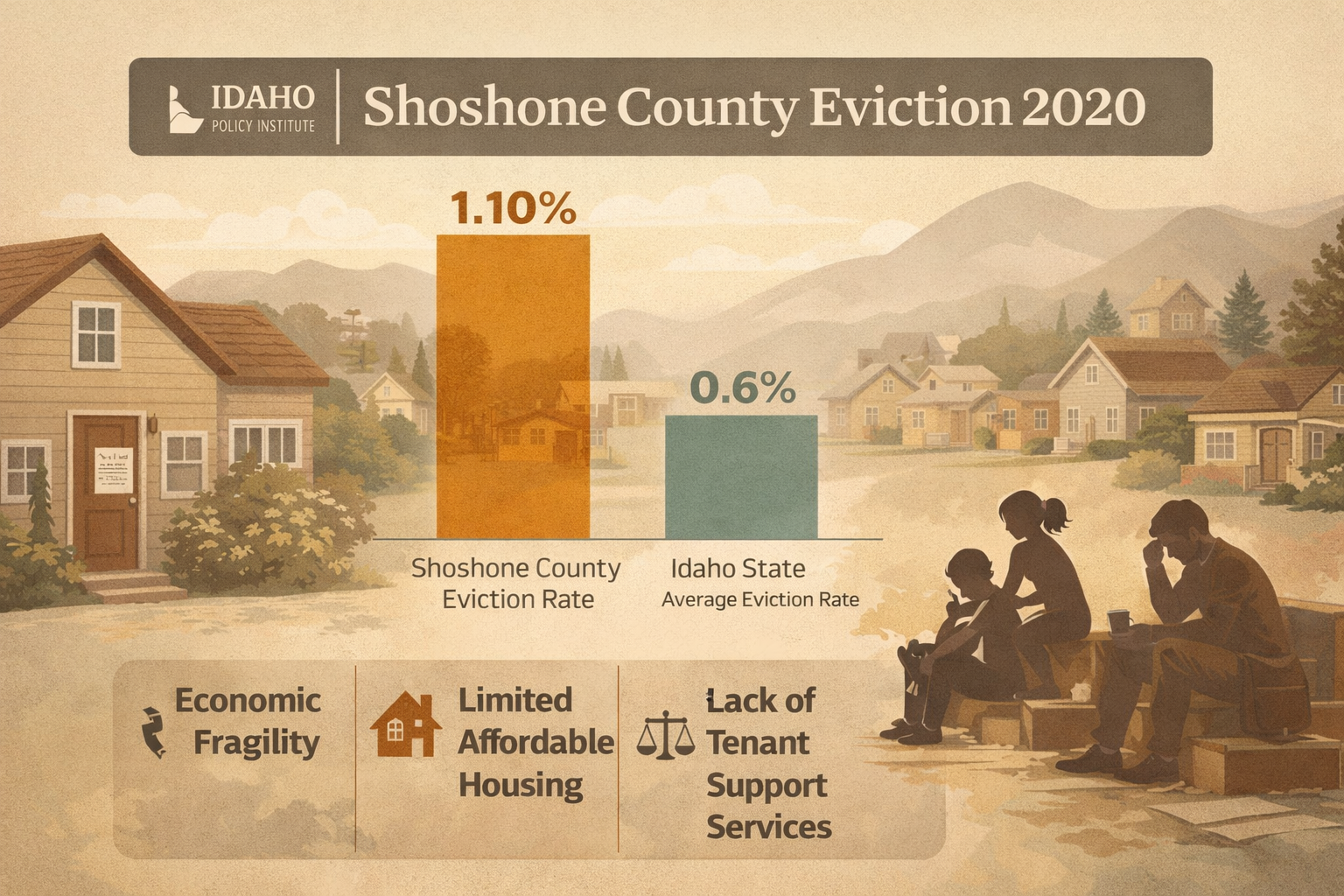
In 2020, Shoshone County, Idaho, experienced a formal eviction rate of approximately 1.10%, nearly double the statewide average of 0.6%, according to the Idaho Policy Institute. Rural economic fragility, limited affordable housing, and lack of tenant support services contributed to these higher eviction rates. The study highlights the impact on families, children, and communities, emphasizing the need for targeted policy interventions, including rental assistance, mediation programs, and legal aid to stabilize housing and prevent further social and economic disruption.
In the heart of Idaho, Shoshone County stands as a microcosm for broader issues surrounding housing stability and community well-being. The Idaho Policy Institute has taken a deep dive into these pressing concerns by studying formal eviction rates in this region for 2020, revealing startling insights that resonate far beyond county lines. As we navigate through this data-driven exploration, we’ll uncover not just numbers but real stories—those of families facing upheaval and communities grappling with the consequences. Let’s unravel the layers of this critical topic and understand how eviction rates shape lives in Shoshone County and what lies ahead for its residents.
Explanation of the significance of formal evictions and their impact on communities
Formal evictions are more than just a legal process; they can ripple through communities in profound ways. When a family is formally evicted, it disrupts not only their lives but also the fabric of neighborhoods.
Children often face instability, leading to difficulties in school and social relationships. Families may find themselves in temporary housing or homeless shelters, which can strain local resources.
The emotional toll of eviction can’t be overlooked either. The stigma attached to being evicted affects self-esteem and community perception. This cycle contributes to long-term economic challenges for individuals and families alike.
Communities suffer as well. High eviction rates can lead to increased crime and decreased property values, making it harder for everyone involved—residents, landlords, and local businesses—to thrive together. Understanding these dynamics is crucial for designing effective solutions that support both tenants and landlords alike.
Overview of the findings from the study, including statistics and data analysis
The Idaho Policy Institute conducted a comprehensive study on formal eviction rates in Shoshone County for 2020. Their findings reveal startling statistics that shed light on the housing crisis affecting local residents.
In Shoshone, formal evictions were notably higher than the state average, with an increase of over 15% compared to previous years. This spike highlights significant challenges faced by tenants in securing stable housing.
Data analysis from the study indicates that low-income families are disproportionately affected. Many households fell behind on rent due to job loss or unexpected medical expenses, pushing them into precarious situations.
Furthermore, the research underscores regional disparities within Idaho itself. While some urban areas saw declines in eviction rates, rural communities like Shoshone experienced escalating numbers that warrant urgent attention and action. The implications of these findings are substantial for both individuals and community resources alike.
Factors contributing to high eviction rates in Shoshone County
Several factors contribute to the high eviction rates in Shoshone County. Economic instability plays a significant role. Many families live paycheck to paycheck, struggling with rising rents and stagnant wages.
Additionally, the lack of affordable housing exacerbates the problem. With limited options available, many residents find themselves trapped in unsuitable living conditions or forced to choose between paying rent and other essentials like food or healthcare.
Another factor is insufficient access to legal resources. Tenants facing eviction often do not have representation, making it difficult for them to navigate complex systems or defend their rights effectively.
Local demographics can also influence these statistics. A higher proportion of vulnerable populations may be more susceptible to evictions due to various social challenges they face daily. These interconnected issues create a challenging environment for many residents trying to secure stable housing.
Comparison to national eviction rates and potential causes for disparity
When comparing Shoshone County’s eviction rates to national figures, a stark contrast emerges. Many regions across the U.
S. experience lower eviction rates, highlighting a localized crisis in this Idaho community.
Several factors contribute to these disparities. Economic conditions play a vital role; higher unemployment rates and limited job opportunities can lead to financial instability for residents. Additionally, housing availability often affects local evictions—fewer affordable options mean more people are at risk of losing their homes.
Social services and support systems vary widely as well. Communities with robust assistance programs tend to have better outcomes, allowing families facing difficulties to seek help before reaching the eviction stage.
Cultural attitudes toward renting and homeownership also influence behaviors around evictions in different areas, further complicating comparisons between Shoshone County and broader trends seen nationally.
Implications for policy makers and solutions for addressing high eviction rates
High eviction rates in Shoshone County present a pressing challenge for policymakers. These statistics call for immediate attention and innovative solutions.
One option is to enhance rental assistance programs. By increasing funding, more families could receive the support they need before facing eviction. This proactive approach can stabilize housing situations.
Another avenue involves improving tenant education programs. Equipping renters with knowledge about their rights and responsibilities may help prevent misunderstandings that lead to evictions.
Collaboration between local governments and non-profit organizations can also yield positive results. Such partnerships foster resources that address the root causes of housing instability, ensuring long-term benefits for communities.
Exploring affordable housing initiatives might provide sustainable relief. Investing in developing low-income housing options ensures that residents have access to stable living conditions without undue financial stress.
Conclusion: The importance of addressing
Addressing the formal eviction rates in Shoshone County is not just a matter of statistics; it’s about real lives and communities. The data from the Idaho Policy Institute sheds light on an urgent issue that impacts families, neighborhoods, and local economies. High eviction rates can lead to instability, increased homelessness, and strained social services.
Policymakers must take these findings seriously. By understanding the underlying factors contributing to evictions, such as lack of affordable housing, unemployment, or insufficient legal protections for tenants, they can devise targeted strategies to tackle this crisis.
Communities thrive when residents feel secure in their homes. Initiatives like rental assistance programs and tenant education could empower individuals facing financial hardships. Collaboration between local governments, non-profits, and community organizations can help create sustainable solutions.
It’s essential for everyone—residents, advocates, lawmakers—to work together towards reducing eviction rates in Shoshone County. When we prioritize stable housing for all citizens, we build stronger foundations for our future prosperity and well-being.