
In today’s fast-paced business landscape, the tools and systems we use can significantly impact our efficiency and success. Enter ECMISS—a modern solution designed to streamline processes and enhance productivity like never before. As companies seek innovative ways to stay competitive, many are reevaluating their traditional systems in favor of this cutting-edge technology.
If you’ve ever wondered whether your organization could benefit from a change, you’re not alone. The shift towards ECMISS is gaining momentum, transforming how businesses operate across various industries. Let’s dive into what ECMISS really is, how it stacks up against traditional systems, and why making that switch might just be the best decision for your company’s future.
What is ECMISS and how it works
ECMISS, or Enterprise Content Management Information System Solutions, is a robust platform designed to manage an organization’s information lifecycle. It integrates various tools that help capture, store, and retrieve data efficiently.
At its core, ECMISS leverages advanced technologies like artificial intelligence and machine learning. These features enable automated workflows that minimize manual tasks. Instead of sifting through mountains of paperwork or endless digital files, users can access the information they need at their fingertips.
The system organizes content systematically—making it easy to categorize documents by type or project. This structure enhances collaboration among teams as everyone can work from the same source of truth.
Moreover, ECMISS often includes security protocols to protect sensitive data. Organizations can set permissions and monitor access levels to ensure compliance with industry regulations while maintaining control over their valuable assets.
Comparison between ECMISS and traditional systems
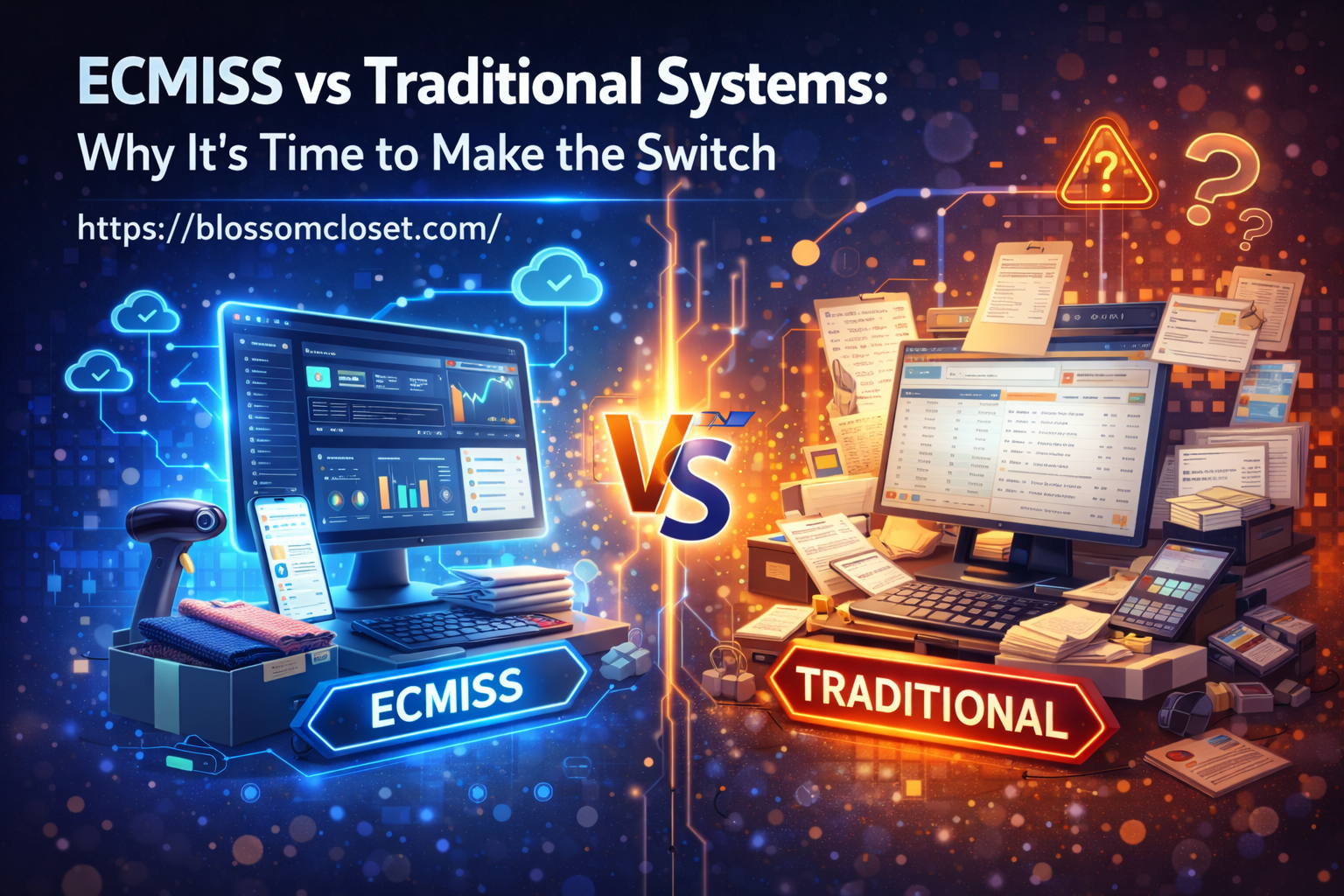
ECMISS and traditional systems operate on fundamentally different principles. Traditional systems often rely on outdated server-based infrastructures, creating bottlenecks in information flow. This can lead to delays and inefficiencies.
On the other hand, ECMISS leverages cloud technology for seamless data integration and accessibility. Users can access real-time data from anywhere at any time, enhancing collaboration across teams.
Another significant difference is scalability. Traditional systems require complex hardware upgrades when demand increases. In contrast, ECMISS offers flexibility with its pay-as-you-go model, allowing organizations to scale easily without hefty investments.
Security also varies greatly between the two approaches. While traditional systems often face vulnerabilities due to local storage risks, ECMISS employs advanced encryption protocols that safeguard sensitive data during transmission and storage.
The user experience differs as well; ECMISS focuses on intuitive interfaces designed for ease of use, while many traditional systems are plagued by clunky designs and steep learning curves.
Benefits of using ECMISS
ECMISS brings a host of benefits that can transform how organizations manage their information. One significant advantage is enhanced data accessibility. With ECMISS, employees can access documents and records from anywhere, anytime.
This system also streamlines workflows. Automated processes reduce manual tasks, allowing teams to focus on more strategic initiatives rather than getting bogged down in paperwork.
Another key benefit is improved collaboration. Teams can easily share documents and work together in real-time, regardless of location or department.
Data security receives a substantial boost with ECMISS as well. Robust encryption and user permissions protect sensitive information against unauthorized access.
Furthermore, the analytics features within ECMISS provide valuable insights into usage patterns and inefficiencies. Organizations can make informed decisions based on real-time data trends, paving the way for continuous improvement.
Real-life examples of companies who have made the switch to ECMISS
Companies across various industries are embracing ECMISS with impressive results. For instance, a leading healthcare provider transitioned to ECMISS to streamline patient data management. This switch not only enhanced data accessibility but also improved patient care through faster decision-making.
In the manufacturing sector, a prominent automotive company adopted ECMISS for its supply chain processes. By centralizing their documentation and automating workflows, they reduced lead times significantly while minimizing errors.
A well-known retail brand leveraged ECMISS to enhance customer experiences by integrating inventory management with real-time analytics. This enabled them to respond swiftly to market demands and optimize stock levels effectively.
These examples highlight how diverse organizations recognize the transformative power of ECMISS in boosting efficiency and driving innovation within their operations. Each success story illustrates the potential that comes from modernizing systems in today’s fast-paced business environment.
Potential challenges in implementing ECMISS
Transitioning to ECMISS can present several challenges that organizations must navigate.
One of the primary hurdles is employee resistance. Change often breeds uncertainty, and some team members may feel apprehensive about adopting new technology. Proper training and clear communication are essential in overcoming this reluctance.
Another challenge lies in data migration. Moving existing records from traditional systems to ECMISS requires careful planning to ensure no information is lost or corrupted during the process.
Integration with current workflows poses additional issues. Organizations may find it difficult to align ECMISS with established practices, leading to temporary disruptions in operational efficiency.
Budget constraints can also be a significant factor. Implementing ECMISS demands an initial investment that might strain financial resources, especially for small businesses.
Ongoing maintenance and updates are necessary for optimal performance but require dedicated time and effort from IT teams.
Tips for a successful transition to ECMISS
Start with a clear plan. Define your goals and identify the specific processes you want to improve with ECMISS. This clarity will guide your implementation strategy.
Involve key stakeholders early on. Their insights can provide valuable perspectives that help tailor the system to meet everyone’s needs.
Training is crucial for a smooth transition. Ensure all users receive comprehensive training sessions. Familiarity breeds confidence, which enhances productivity.
Monitor progress continuously after launch. Collect feedback from users and be ready to make adjustments as needed.
Prioritize data migration carefully. A well-organized transfer of existing records into ECMISS ensures that no important information gets lost in the shuffle, setting up your team for success right from the start.
Future outlook for ECMISS and traditional systems
The future of ECMISS appears bright as more businesses recognize its advantages over traditional systems. The demand for efficiency and automation continues to rise, pushing organizations towards innovative solutions.
Emerging technologies such as artificial intelligence and machine learning are enhancing ECMISS capabilities. These advancements allow for smarter data management, predictive analytics, and improved decision-making processes.
Traditional systems may struggle to keep pace with these changes. As companies prioritize agility and scalability, the limitations of outdated methods become increasingly apparent.
Moreover, regulatory requirements are evolving. Organizations will need robust compliance measures that ECMISS can better facilitate compared to traditional approaches.
As digital transformation accelerates across industries, adopting ECMISS isn’t just beneficial; it’s becoming essential for long-term competitiveness in a rapidly changing landscape.
Conclusion
The shift from traditional systems to ECMISS is more than just a trend; it’s becoming a necessity for many businesses aiming for efficiency and adaptability. As organizations increasingly recognize the advantages of ECMISS, such as enhanced collaboration, streamlined workflows, and improved data management, the momentum towards this innovative technology will only grow.
Early adopters have demonstrated that transitioning to ECMISS can yield significant benefits across various industries. They showcase how effective implementation leads to not just cost savings but also better engagement among teams and quicker decision-making processes.
While challenges may arise during the transition period—such as training staff or integrating with existing technologies—the long-term gains far outweigh these hurdles. With careful planning and execution, companies can leverage ECMISS to stay competitive in an ever-evolving market landscape.
Looking ahead, it’s clear that the trajectory of business operations leans heavily toward solutions like ECMISS over traditional systems. Companies willing to embrace this change are likely positioned for greater success in their respective fields. Adopting new technologies is no longer optional; it’s integral for growth and sustainability in today’s fast-paced environment.