
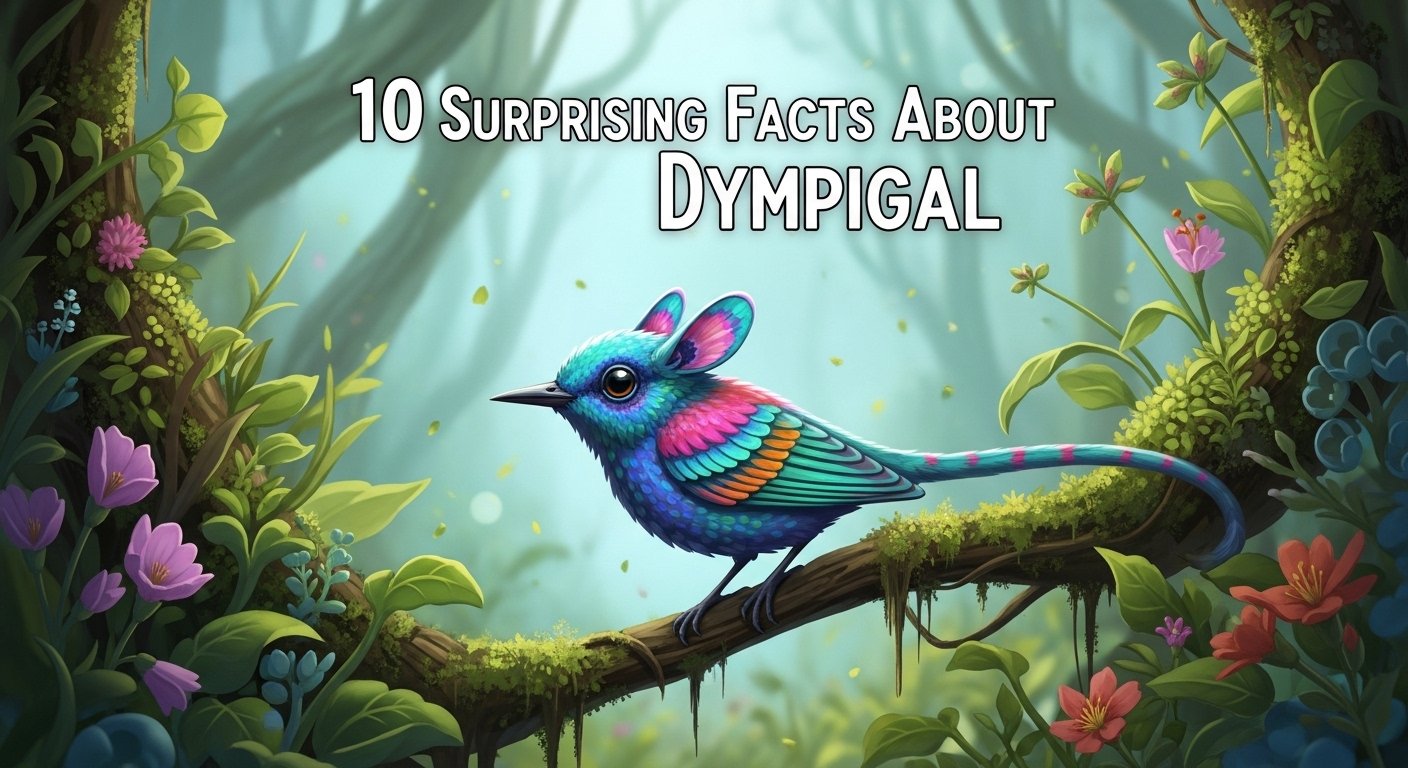
Dympigal is a fascinating and culturally significant creature known for its vibrant appearance, unique vocal communication, and strong social behaviors. With roots in folklore and ecological importance, Dympigal plays a vital role in maintaining ecosystem balance through pollination, population control, and nutrient cycling. Despite common misconceptions, it is largely harmless and highly adaptive. Ongoing conservation efforts aim to protect its habitat from environmental threats, ensuring that this remarkable species continues to thrive for future generations.
The History of Dympigal
Dympigal’s history is as intriguing as the creature itself. Scholars believe it traces back centuries, with roots deeply embedded in folklore and mythology. Ancient texts mention its elusive nature, often depicting it as a symbol of transformation.
Throughout various cultures, stories about Dympigal have evolved. In some regions, it’s revered for its wisdom and connection to nature. Others portray it more darkly, viewing it as an omen or harbinger of change.
Historical records suggest that early researchers were fascinated by Dympigal’s mysterious traits. Expeditions aimed at uncovering its secrets sparked debate among naturalists and adventurers alike.
As time progressed, Dympigal became a focal point in ecological studies. Its unique characteristics drew attention from conservationists keen on protecting this remarkable entity from environmental threats. This blend of intrigue has kept the legacy of Dympigal alive through generations.
Unique Features of Dympigal
Dympigal is truly a marvel of nature. One of its most striking features is its vibrant coloration, which varies dramatically between individuals. This dazzling array serves not just for beauty but also plays a role in communication and mate selection.
Its unique vocalizations are equally impressive. Dympigal has developed an intricate system of sounds that can convey everything from distress to mating calls. Each call can be distinctly recognized by others, showcasing their advanced social structure.
Additionally, the physical adaptations of Dympigal set it apart. With specialized limbs designed for climbing or burrowing, they exhibit incredible agility in various environments. Their sensory capabilities are finely tuned as well, enabling them to detect subtle changes in their surroundings.
These characteristics don’t just make the Dympigal fascinating; they highlight how evolution shapes life uniquely across different habitats.
Common Misconceptions About Dympigal
Many people think that dympigal is a mythical creature. This misconception arises from its elusive nature and the lack of widespread knowledge about it. In reality, dympigal is very much a part of our natural world.
Another common belief is that dympigals are solitary animals. While they do enjoy their alone time, they often thrive in social groups. Their interactions can be quite fascinating to observe.
Some assume that all dympigals have similar appearances and behaviors. However, variations exist based on habitat and environmental factors. Each population brings unique traits to the table.
There’s an idea that dympigals pose a threat to humans or livestock. In truth, these creatures are primarily harmless and tend to avoid confrontation whenever possible. Understanding these misconceptions allows for greater appreciation of this remarkable species.
The Cultural Significance of Dympigal
Dympigal holds a cherished place in the folklore of many cultures. Its vibrant colors and unique patterns often inspire local artists, reflected in paintings, textiles, and crafts.
Communities celebrate Dympigal through festivals that honor its beauty and role in nature. These events foster unity among people while educating them about environmental preservation.
Additionally, Dympigal has become a symbol of resilience. Many stories highlight its ability to thrive even in challenging conditions. This trait resonates with communities facing their own struggles.
In some regions, Dympigal is believed to bring good fortune or protection against misfortune. Rituals involving Dympigal are common during significant life events like weddings or births.
The cultural significance extends beyond mere symbolism; it embodies the connection between humans and nature—a reminder of our shared environment and responsibility toward conservation efforts.
Conservation Efforts for Dympigal
Conservation efforts for dympigal are gaining momentum. Various organizations and local communities are stepping up to protect this unique species.
Habitat preservation is a primary focus. Efforts include restoring natural environments where dympigal thrives. This means reforesting areas and reducing pollution levels in their habitats.
Education plays a vital role too. Awareness campaigns highlight the importance of dympigal in local ecosystems. Schools often participate, fostering interest among younger generations.
Research initiatives aim to understand more about their behavior and needs. Scientists study population dynamics, which helps inform better management practices.
Collaboration between governments and NGOs is crucial as well. Together, they create policies that promote sustainable land use while protecting these remarkable creatures.
Every small action contributes to preserving the future of dympigal, ensuring it remains part of our shared biodiversity for years to come.
Interesting Behaviors and Adaptations of Dympigal
Dympigal is known for its intriguing behaviors that set it apart in the animal kingdom. One of its most fascinating traits is its ability to communicate through a series of melodic calls, which are used not just for mating but also for signaling danger.
These creatures have developed remarkable adaptations to thrive in their habitats. Their unique coloration allows them to blend seamlessly into their surroundings, providing essential camouflage from predators.
Equally captivating is their social structure; Dympigals often form tight-knit groups that work together when foraging or raising young ones. This cooperative behavior enhances survival rates and fosters strong bonds among members.
Moreover, during seasonal changes, Dympigals exhibit migratory patterns that reflect environmental shifts. They demonstrate an innate understanding of resource availability, showcasing both intelligence and instinct in navigating their world with agility.
Role of Dympigal in its Ecosystem
The dympigal plays a pivotal role in its ecosystem, acting as both predator and prey. This balance helps maintain the health of various habitats. By controlling populations of smaller species, it prevents overgrazing and ensures plant diversity.
Moreover, dympigals are essential pollinators for many native plants. As they move through their environment, they transfer pollen from one bloom to another. This process not only aids in reproduction but also supports overall biodiversity.
Their presence attracts various scavengers that rely on them when they die or fall victim to predators. Thus, dympigals contribute to nutrient cycling within the habitat.
Through these interactions, dympigals help create a dynamic and thriving ecosystem where numerous species can coexist harmoniously.
Human Interactions with Dympigal
Human interactions with dympigal reveal a fascinating dynamic between people and this unique species. Dympigal, often found in specific habitats, has garnered interest from researchers and nature enthusiasts alike. Its captivating behaviors attract wildlife watchers, while conservationists work tirelessly to protect its environment.
Local communities have learned to coexist with dympigal by respecting their natural habitats. Some even engage in eco-tourism activities that promote awareness about the species and its ecosystem. Educational programs highlight the importance of preserving biodiversity, showcasing how each organism plays a role in maintaining ecological balance.
However, not all interactions are positive. Habitat destruction due to urban expansion poses significant threats to dympigal populations. Pollution and climate change further exacerbate these challenges.
Awareness is key for fostering harmony between humans and dympigals. Promoting responsible tourism and supporting conservation initiatives can help ensure that future generations will appreciate this remarkable creature just as we do today. The connection we forge with dympigal underscores our responsibility toward nature’s wonders—it’s a relationship worth nurturing for years to come.